How to Find Affordable Screen Printing Without Sacrificing Quality
When you need custom shirts for a team, an event, or a small business launch, the first thing that comes to mind is often cost. Screen printing is one of the oldest and most reliable methods for getting your design onto fabric, but the price tag can vary wildly depending on who you talk to. Over the years I have worked with dozens of print shops, some huge and some tiny, and I have learned that the cheapest quote is rarely the best deal. What you really want is affordable screen printing that still delivers crisp colors, soft hand feel, and shirts that survive more than a few washes.
Many people assume that low price means low quality, but that is not always true. The trick is understanding where the costs live and how a shop can keep them down without cutting corners on the things that matter. Let me walk you through what I have seen work in the real world, both from the buyer side and from behind the counter.
What Makes Screen Printing Affordable or Expensive
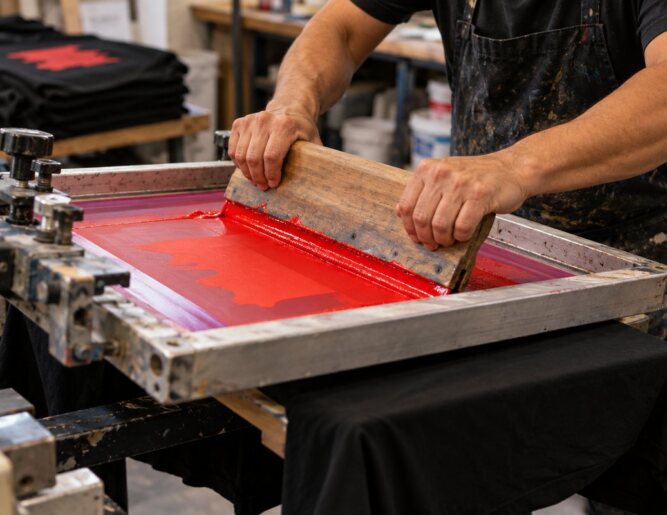
Screen printing involves creating a stencil, or screen, for each color in your design. Those screens cost money to make, and the labor to set up the press takes time. This is why the first shirt is always the most expensive one. After that, each additional shirt just uses ink and a little more time on the press. So the biggest factor in per-shirt price is the quantity you order. A run of 24 shirts will cost more per piece than a run of 144 shirts, because the setup cost is spread across fewer items.
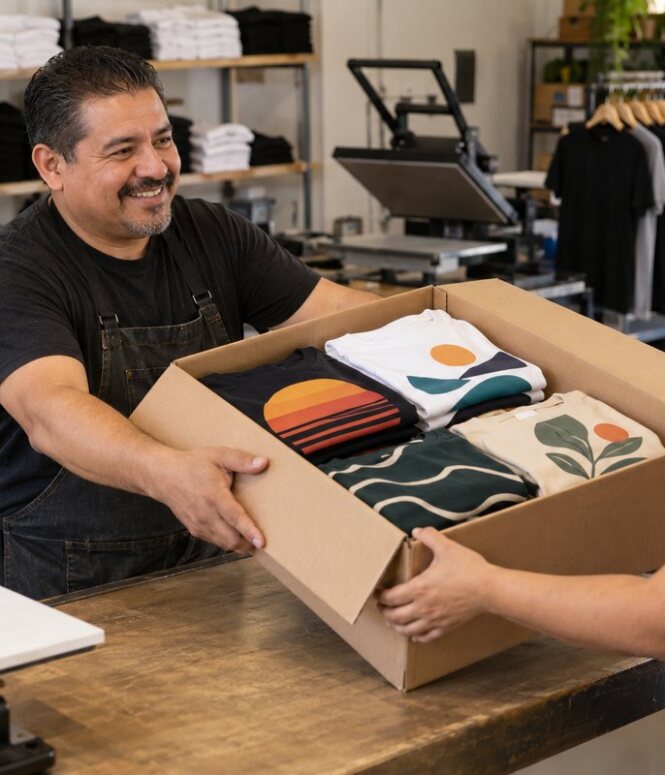
That said, some shops run leaner than others. A family-owned shop with in-house production, like the kind you find in a city with a strong garment district, can often offer better pricing than a larger operation that outsources its printing. When a shop controls the whole process from design to press to packaging, they can catch mistakes early and avoid waste. That efficiency gets passed down to you.
Real Trade-Offs: Ink Quality and Shirt Blank Choices
I have seen people try to save money by picking the cheapest shirt blank available. That can work for a one-day event where the shirt just needs to survive a few hours. But if you want people to actually wear the shirt again, the blank matters. A thin, rough polyester blend feels cheap and looks faded after one trip through the dryer. A heavier cotton or a tri-blend with a good feel costs a little more upfront but makes the shirt something people keep in their rotation.
Ink quality is another area where you can cut cost without ruining the print, but only if you know what to ask for. Standard plastisol inks are durable and economical. Water-based inks feel softer but cost more and require more careful curing. For most jobs, a good plastisol print with a soft-hand additive gives you the best of both worlds: a print that lasts and feels nice against the skin, all while keeping the job in the affordable screen printing range.
The Hidden Value of Free Design Help
One expense that sneaks up on people is the cost of preparing artwork for print. If you hand a print shop a low-resolution JPEG with tiny text and expect it to look perfect on a shirt, you are going to pay extra for the art department to rebuild it. Some shops charge for that. Others, especially smaller shops that want your repeat business, include basic design help in the price. That kind of service can save you fifty or a hundred dollars right off the top, and it makes the whole experience smoother.
I have worked with shops where the designer caught a color issue before we ever printed a test shirt, saving us from a costly mistake. That kind of expertise is hard to put a price on, but it absolutely contributes to what I call Custom Shirt Printing affordable screen printing. When the shop helps you optimize your design for the screen printing process, you get a better result and fewer wasted shirts.
In-House Production vs. Brokered Printing
Another thing to watch for is whether a shop prints in their own facility or sends the job to a third party. Many online companies act as middlemen. They take your order, collect a markup, and then forward the work to a printer they have a deal with. That adds a layer of cost and a layer of communication that can go wrong. When you work with a shop that does everything under one roof, you cut out that middleman markup. The savings are real, and so is the accountability. If something goes wrong, you talk directly to the people who printed your shirts.
I once ordered a rush job from a broker and the shirts arrived with the logo crooked. It took a week to sort out who was responsible, and by then the event was over. Since I switched to dealing with in-house printers, those problems have all but disappeared. That reliability is part of why I keep coming back to the same shops, and why I recommend them to anyone looking for Custom Shirt Printing affordable screen printing that does not compromise on quality.
Quantity Breaks and How to Use Them
If you have a flexible timeline, you can save a lot by grouping orders. For example, if your organization needs shirts for a summer camp and a fall fundraiser, see if the shop can print both jobs at once. Combining orders pushes your total quantity up, which lowers the per-shirt cost across the board. Some shops will even hold your screens if you plan to reorder the same design later, which saves you the setup fee next time.
Here is a quick list of things that help keep costs down without hurting quality:
- Order at least 48 shirts per design to spread the setup cost.
- Limit your design to one or two colors when possible.
- Use standard shirt sizes instead of asking for a lot of XXL or larger, which cost more per piece.
- Ask about gang runs, where your job runs alongside other orders on the same press.
These are small choices, but they add up. A two-color design on a decent blank at 72 pieces can easily come in under ten dollars per shirt at a shop that knows what it is doing.
Why Local Still Matters
Even with all the online ordering options, I still believe local print shops offer the best value for most people. You can visit the shop, feel the samples, and talk through your design face to face. That personal connection eliminates a lot of the guesswork. The shop I work with most often is a family-run operation in Los Angeles, and they have never tried to upsell me on something I did not need. They tell me when a cheaper option will work just as well, and they tell me when I should spend a little more for a better result. That honesty is rare, and it is the backbone of true affordable screen printing.
If you are starting a small clothing line or organizing a community event, you do not need a fancy online storefront. You need a printer who listens, who prints clean, and who charges a fair price. That is what I look for, and it is what I recommend you look for too.

Final Thoughts on Getting the Best Value
Finding affordable screen printing is not about hunting for the lowest bid. It is about understanding what you are paying for and choosing a shop that aligns with your needs. Look for in-house production, free design help, and transparent pricing. Ask about shirt blanks and ink types. Order a sample before committing to a large run. And if you find a shop that delivers consistent quality at a fair price, stick with them. That relationship will save you more money over time than any one-time discount ever could.
Custom Shirt Printing affordable screen printing is out there. You just have to know where to look and what questions to ask. With a little patience and a willingness to learn the basics, you can get shirts that look professional, feel great, and stay within your budget.
 Facebook
 Instagram